Cosmetic remodel
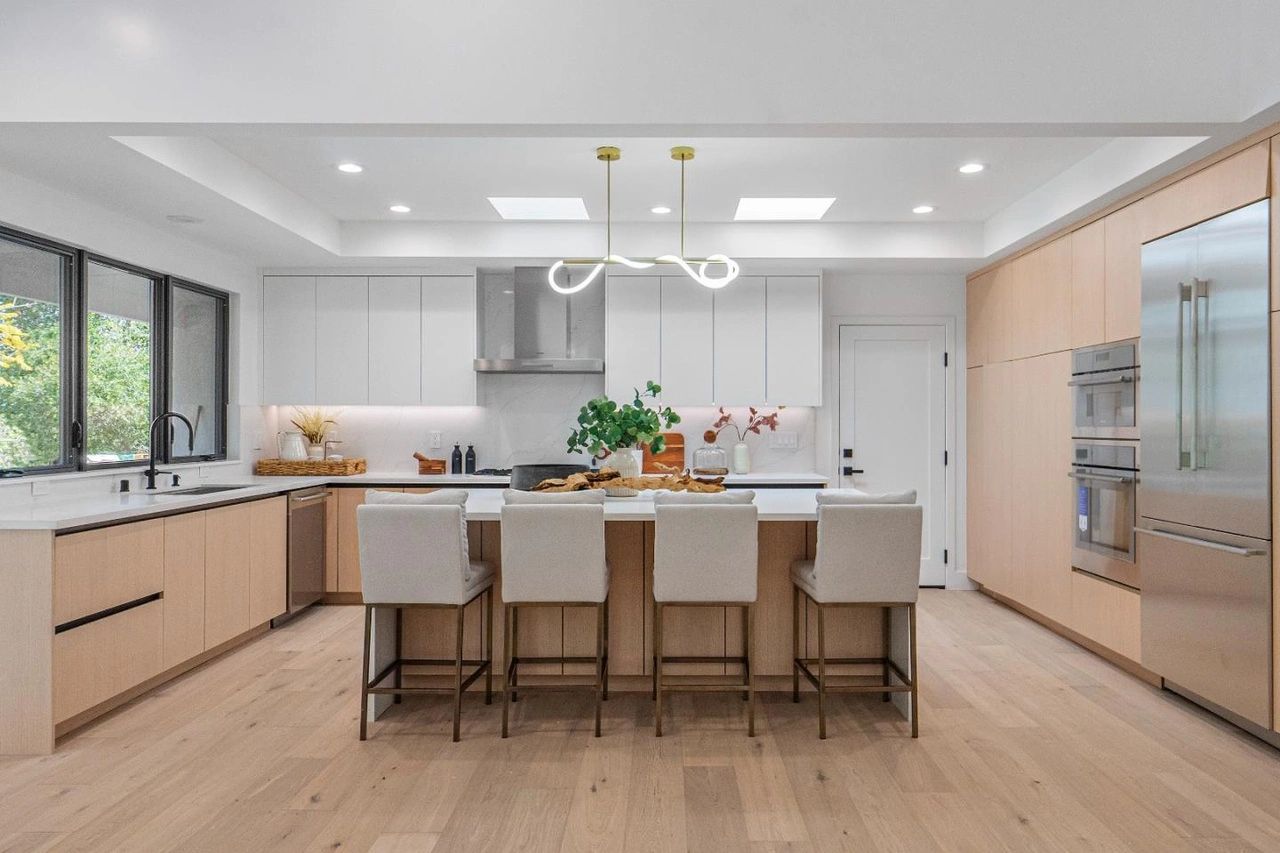
Same layout, new surfaces: cabinets, counters, backsplash, flooring, lighting, and appliances. The fastest path, and often the best value when the layout already works.
Kitchen remodel
Layout, cabinets, counters, appliances, permits, and construction coordination — decided in the sequence that protects the budget, instead of the order the showrooms suggest.
Scope
A kitchen remodeling budget behaves completely differently depending on whether the layout changes. Naming that on day one is the single cheapest decision in the project.
Same layout, new surfaces: cabinets, counters, backsplash, flooring, lighting, and appliances. The fastest path, and often the best value when the layout already works.
Walls move, plumbing or gas relocates, an island appears. Permits, structural review, and inspections enter the project — and so does most of the cost variance.
Opening the kitchen to dining or living space, often with a beam replacing a bearing wall. Effectively a small addition-grade project inside the house.
Decision order
The expensive kitchen mistakes are ordering mistakes — decisions made in the wrong sequence, then unwound in the field.
Why sequence matters
The classic Bay Area kitchen remodel failure is not bad tile — it is a range ordered after the cabinets, a wall opened without a structural plan, or counters templated against boxes that had not arrived. Each one is a small sequencing mistake that costs weeks and change orders. Kitchen remodeling punishes improvisation more than any other room because so many trades and materials converge in one small space.
Fabuhome runs the kitchen as one plan: the layout is settled against structure and budget first, appliances are locked so the cabinets can be drawn around real dimensions, long-lead materials are ordered before demolition, and construction is coordinated so plumbing, electrical, drywall, cabinets, counters, and finish trades land in order. The permit conversation happens at the start, when it shapes the design, instead of at the counter, when it stops the project.
Process
Every step answers a question that gets expensive when it is answered during construction instead.
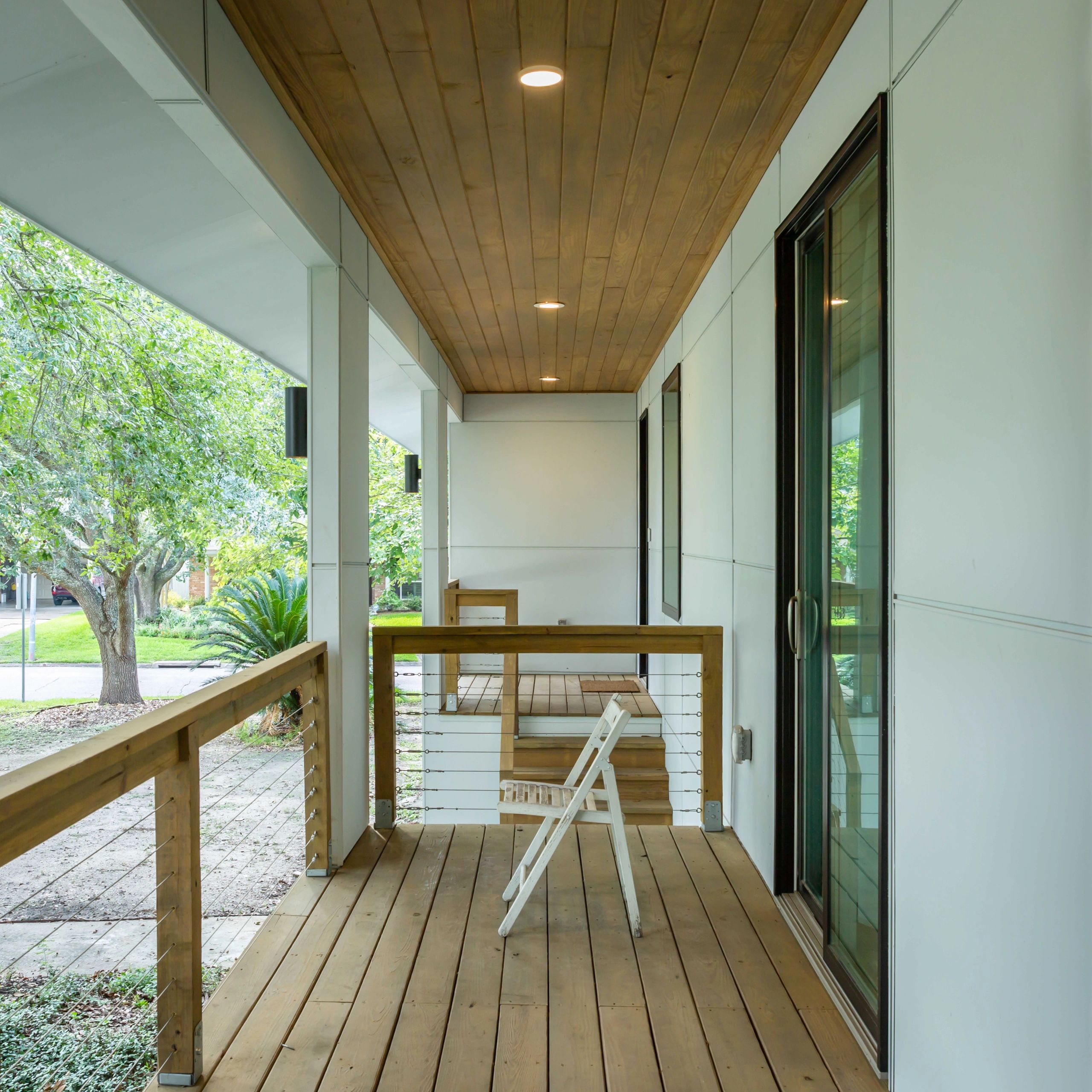
Walk the kitchen, name cosmetic versus layout, and set a budget range the design must live inside.
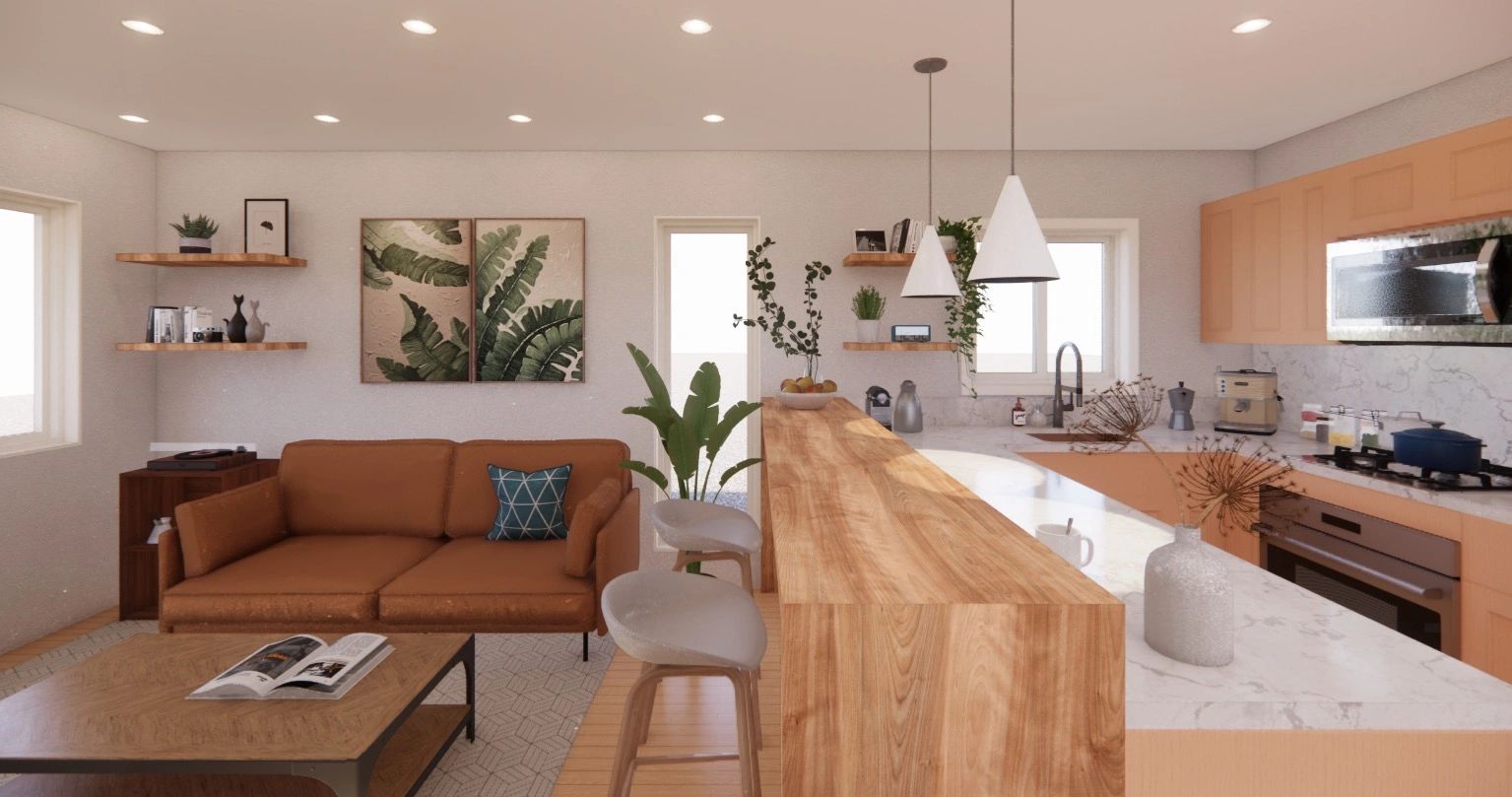
Finalize layout, appliances, cabinets, counters, and finishes as one coordinated package.
Prepare drawings where walls or utilities move, and place long-lead orders before demo.
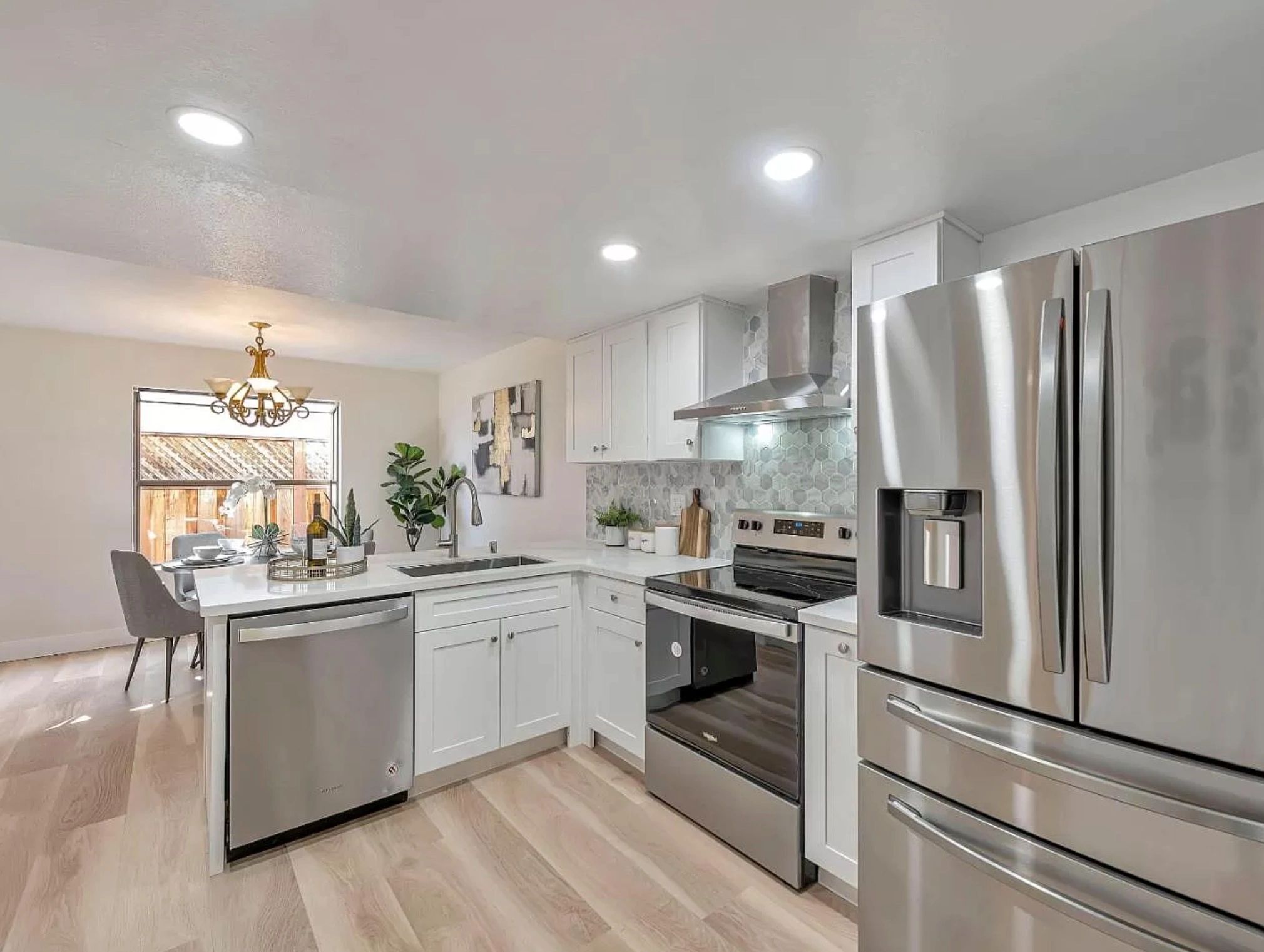
Coordinate demolition, trades, installs, and inspections through punch list and final sign-off.
Connected pages
Use these pages for your city, the cabinet work inside the kitchen, or a scope that reaches beyond it.
FAQ
Short answers for homeowners comparing scope, cost, timeline, and next steps.
The big drivers are whether the layout changes, cabinet construction and linear footage, counter material, appliance tier, and how much plumbing and electrical moves. A same-layout cosmetic remodel and a wall-moving layout remodel of the same kitchen can be far apart in cost. The useful first step is scoping which project yours is — that conversation is free, and it frames every number after it.
Once construction starts, a cosmetic kitchen commonly runs several weeks and a layout remodel a few months, but the honest clock starts earlier: design, selections, permits where needed, and cabinet lead times often take as long as the build itself. The projects that finish on time are the ones where everything was ordered before demolition.
Swapping cabinets, counters, and appliances in place generally does not require one. Moving walls, relocating plumbing or gas, adding circuits, or changing windows generally does, and Bay Area cities enforce it. Fabuhome identifies the permit line during scoping and prepares the drawings when the project crosses it, so review happens before construction rather than interrupting it.
Bay Area homeowners who want one team responsible for the kitchen from layout through inspection — whether that is a straightforward refresh or a wall-moving redesign. If your project is in San Jose specifically, our San Jose kitchen remodel page covers that city’s process; if the kitchen is part of a larger renovation, start from the whole-home remodel page instead.
Most kitchen problems are coordination problems wearing a disguise — a designer, a cabinet shop, and a contractor who never compare notes. Fabuhome keeps design, material sourcing, permits, and construction coordination in one conversation as a licensed contractor (License #1133829), so the plan the city approves, the cabinets that arrive, and the crew on site all describe the same kitchen.
Next step
A useful first message includes the property city, project type, timeline, and budget range. Vague messages get vague answers. Specifics save everyone time.
Request a Free Consultation