Vaulted or cathedral ceilings
Open up a living room, kitchen, bedroom, or addition when the roof form and framing make real height possible.
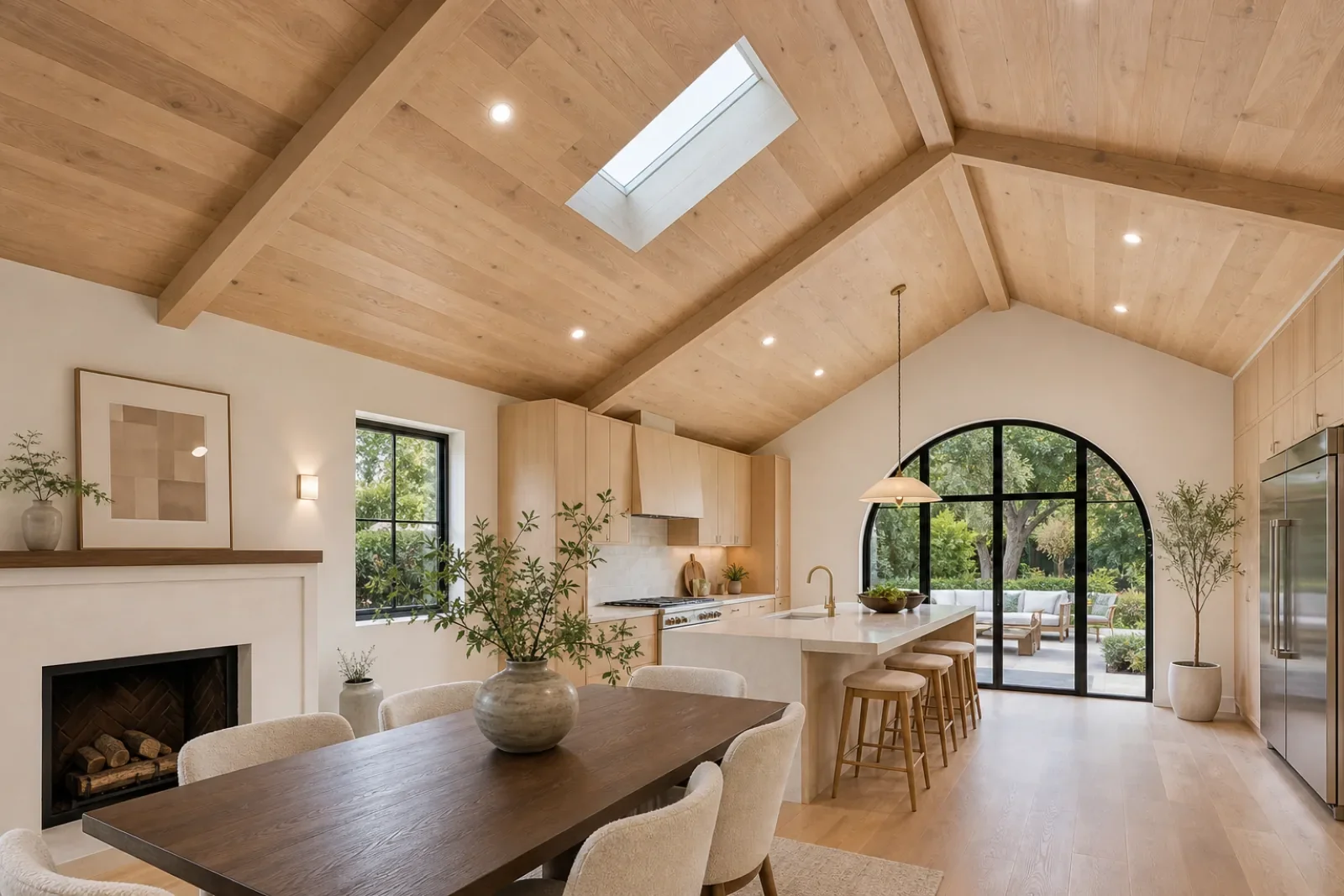
Vaulted ceiling remodel
Fabuhome helps Bay Area homeowners turn low, flat, or dated ceilings into buildable ceiling remodel plans. We check the roof, structure, lighting, insulation, permit path, finish details, and construction sequence before anyone starts opening drywall.
Scope
A vaulted ceiling can change the roof framing, insulation, HVAC, electrical layout, lighting, drywall transitions, and permit scope. The right plan starts above the ceiling, not on Pinterest.
Open up a living room, kitchen, bedroom, or addition when the roof form and framing make real height possible.
Study whether the room can gain height without rebuilding the roof, moving the wrong utilities, or creating a budget trap.
Add depth, proportion, and better lighting when a full vault is not the cleanest move for the house.
Planning
The best time to find the hard parts is before demolition. That is where a small planning step can save a very expensive surprise.
Why Fabuhome
Most ceiling remodel mistakes happen because the design conversation starts with the look and gets to the structure too late.
Fabuhome keeps the ceiling concept tied to roof conditions, permit support, material choices, lighting decisions, and construction sequencing. The goal is a better room, not a surprise project hiding above the drywall.
Project paths
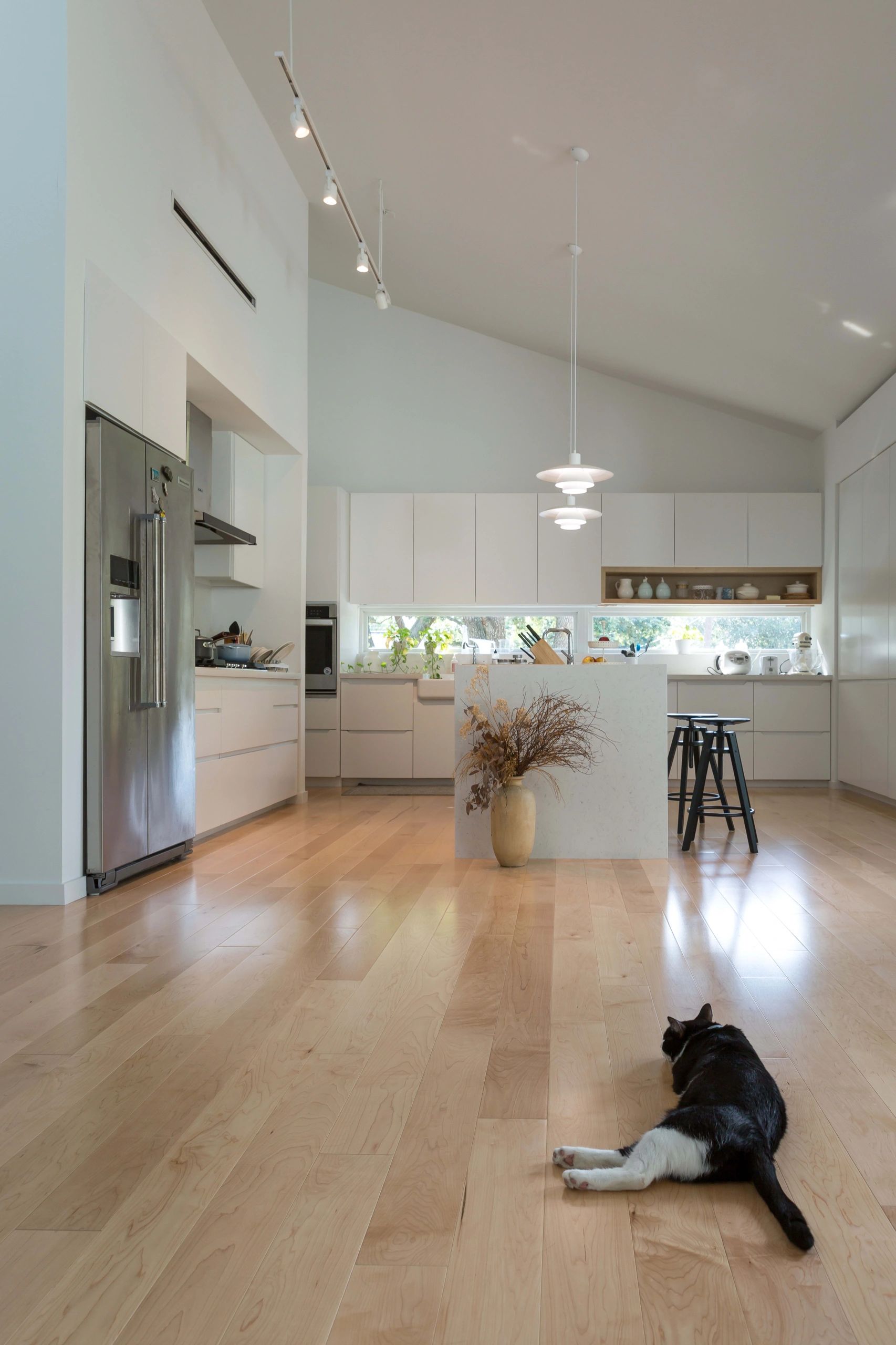
The best ceiling plan is the one the house can support cleanly. Sometimes that is a full vault. Sometimes the smarter move is partial height, better lighting, or a detailed ceiling treatment.
Best when the roof shape, framing, and budget support real volume and a clean structural path.
Useful when part of the ceiling can open up without forcing a heavy roof rebuild.
Tray, coffered, beam, lighting, and trim work can improve a room when structure says no.
Process
We start with the house you have, then shape the ceiling plan around what can actually be built.
Clarify the room, roof type, target look, budget range, and likely constraints.
Review framing, attic access, utilities, roof pitch, and visible risk before choosing a direction.
Compare full vault, partial height, tray, coffered, beam, skylight, and lighting-led options.
Coordinate drawings, professional inputs, finish scope, and contractor-ready assumptions.
Keep materials, trades, schedule, and field decisions aligned during the build.
FAQ
These are the decisions that separate a clean ceiling remodel from a very expensive shrug.
The work usually needs a remodel team that can coordinate design, structural review, permits, and construction. If framing or load changes are involved, licensed structural or other professional input may be required.
It depends on the roof structure, but many existing ceilings are harder than they look. Trusses, ducts, electrical runs, insulation, roof ventilation, and bearing walls can all change the scope.
Most of the cost is not the visible finish. It comes from structural changes, demolition, framing, insulation, HVAC and electrical relocation, drywall transitions, engineering, permits, and trade sequencing.
Sometimes. If attic volume, framing, and utilities allow it, a room may gain height without changing the exterior roof. If not, a tray, coffered, or lighting-led ceiling may be smarter.
Vaulted and cathedral ceilings create real height and volume. Tray and coffered ceilings are finish-driven ceiling designs that add depth and lighting opportunities without always changing the roof structure.
If structural, electrical, HVAC, insulation, or major framing work is involved, permit review is commonly part of the path. Fabuhome helps define the likely permit-to-build scope early.
Related services
A ceiling remodel often touches lighting, interiors, structural scope, construction sequence, and finish decisions. These pages connect the next pieces.
Next step
A useful first message includes the property city, project type, timeline, and budget range. Vague messages get vague answers. Specifics save everyone time.
Request a Free Consultation